
The Legacy of a Lifetime Last week, the fashion world and beyond heard the very sad news of Mr. Giorgio Armani’s passing. Despite his age of 91, and until quite recently still working full-time on the empire he had built over the last 50 years, it has marked a melancholy and profound mourning around the world, but particularly in Italy. The solemnity reminds me of the passing of giant celebrities and royal figures. Fitting that amongst the many accolades bestowed upon him was Re Giorgio (King Giorgio). |
 |
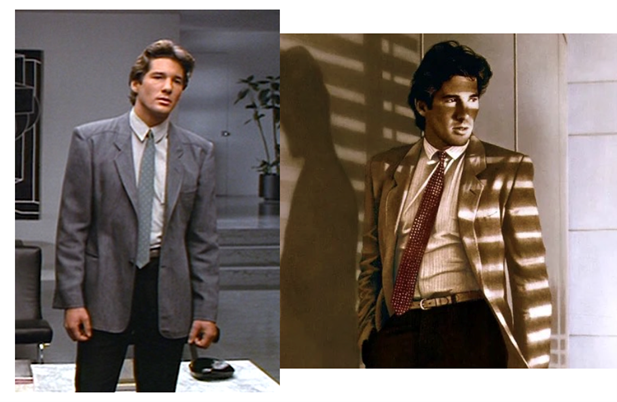
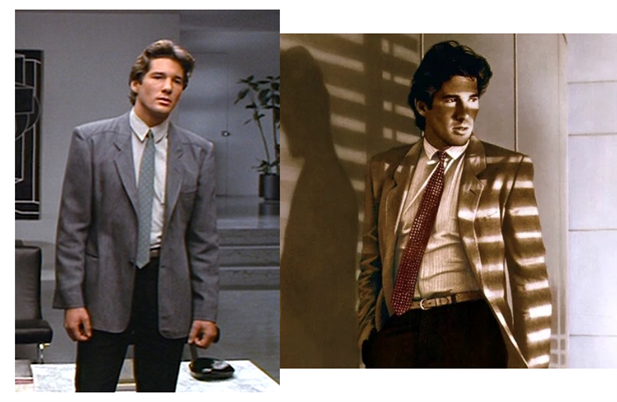
It is difficult to imagine what a profound effect he had on Italian and global fashion, starting in the late 70’s, when I was a novice fashion student in London. I quickly learned and admired his sophisticated approach to design through the few magazines of the time and other students’ admiration of this new Italian style he was at the forefront of. It was a new geometry of pattern combined with soft, elegant tailoring that drew me in. His influence was simply enormous. At that time, new collections weren’t published ahead of time anywhere, completely under embargo; in fact, the only few photographs of an upcoming season would be secretly released by design houses and published only, and I mean ONLY in WWD. The rare, delayed copies available to us students would be handed around and devoured by me and my fellow students like sacred transcripts, where we would study for hours the black and white newspaper print photos, trying to decipher cut, shape, and perhaps materials. Armani at that time was on his ascendance to his well-earned throne, mostly due to his revolutionary approach to menswear – deconstructing it, softening it, and changing the proportions daringly. The fabrics were new too, inventing completely new structures and patterns that were modern and non-traditional, mixing neutrals in geo designs that are still part of the collections that we work with today. His fabric knowledge came from working with Nino Cerruti before starting his own Giorgio Armani brand. Mr. Cerruti was another iconic pioneer of Italian menswear, having been brought up in his family’s textile mill, the same one we offer today as part of our collection. Mr. Cerruti started his own menswear line, which became synonymous with Italian style through the 80s and 90s. Armani used his menswear design aesthetic in womenswear, and the 80s power-suit was born, soon to be the symbol of the new successful career woman and her style around the world. His global success was affirmed through an early exclusive partnership with Barney’s NY, which at that time was taking risks with new designers, stealing exclusives before Bloomingdale’s and Sak’s would sweep them up. This, coupled with dressing Richard Gere in the blockbuster film American Gigolo, set him up as one of the first superstar designers on the path to creating the global Giorgio Armani empire we all know today. |
 |
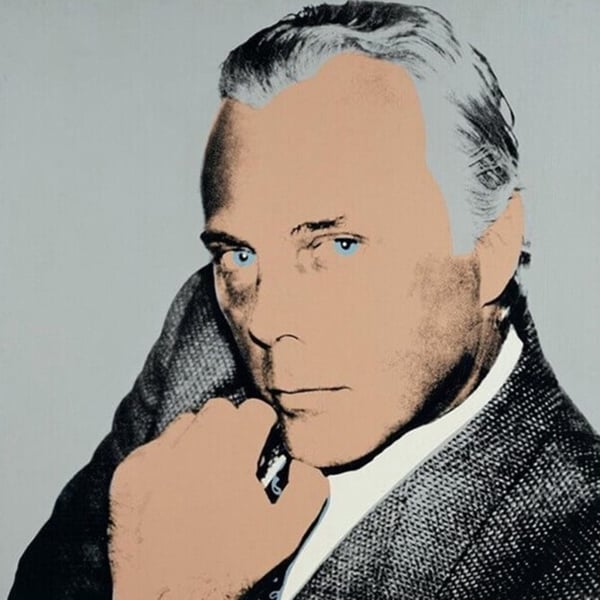
My own Armani story comes at the start of my career in Italy, somehow getting an appointment to show my “book”- a portfolio of hand-drawn sketches I had compiled that for years had accompanied me to appointments and interviews. I journeyed by train from Modena to Milan, buying the cheapest ticket, which was the only one I could afford on a cold, foggy fall day in 1982. I was ushered into the Palazzo on via Borgonuova and walked solely up the grandest staircase I had ever seen to the floor above and his office. I remember the dramatic lighting and, on the landing, a giant Warhol lithograph of the designer himself. As if I wasn’t intimidated enough, I was ushered into a side office and could hear him jabbering in the studio next door. Soon, an assistant appeared and took my book without me, through to the next room. After some silence then voices, the assistant appeared with my book. “Thank you, we will be in touch, but there is nothing at this time”. Even the Armani clothes I had borrowed from my boyfriend hadn’t impressed anyone, and I was released. A sense of disappointment that comes with rejection, combined with the end of a conversation before it had begun, and ultimately, a sense of relief came upon me. If it had been a yes, then I don’t know how I would have ever figured out moving to and living in Milan with my boyfriend, 3 hours south by train – (it now takes 40 minutes on the high-speed train). A few years later, as my own design studio established itself in Italy, I was commissioned to design children’s wear for Armani. So, I did actually end up working for him, of sorts. I later showed my own collections in Milan and was at the helm of Italian brands that staged runway shows there, amazing opportunities and experiences of my own that perhaps would never have happened if I had been offered a design position that day. |
 |
We all really should thank Giorgio for keeping us in awe of his consistent elegance and paving the way for Italian style to follow. Without him, the story of Italian menswear and Italian style would have been written very differently, indeed. |